


Responding to New International Compliance Regulations and Building Green Competitiveness | Seminar Themed “Opportunities and Challenges of China's Sustainable Development Compliance: Climate Change, ESG Disclosure and Supply Chain Management” Is Held

Under the background of accelerated global sustainable development transformation, climate change, Environmental, Social, and Governance (ESG) disclosure, and supply chain management have become core compliance issues for Chinese enterprises going global. In order to assist enterprises in responding to changes in international rules and grasp new opportunities in green competition, a seminar themed “Opportunities and Challenges of China's Sustainable Development Compliance: Climate Change, ESG Disclosure and Supply Chain Management” (the “Seminar”) was held in Shanghai Hongqiao International Central Business District (“Hongqiao International CBD”) on September 23, 2025.
The Seminar, co-hosted by Dishui Lake Advanced Institute of Finance, Shanghai University of Finance and Economics (SUFE-DAFI) and Hongqiao Overseas Development Service Center, and co-organized by the Capital Market Research Center of SUFE-DAFI, received support from the Global Climate Academy and Wolters Kluwer. By focusing on analyzing international carbon neutrality policies, ESG disclosure frameworks, and supply chain-related compliance requirements, the Seminar aimed to guide Chinese enterprises to transform external compliance pressures into their core competitiveness for sustainable development.
During the keynote speech session, in her speech themed “Under Standard Collaborative Innovation, Accelerate Sustainable Transformation and International Integration”, WU Changhua, President of the Global Climate Academy and Chairperson of the Governance Committee of the Asia-Pacific Water Forum, conducted an in-depth analysis of global climate governance trends and Chinese enterprises’ response strategies, from the perspectives of international disclosure standards, and the integration of EU's systemic transformation and local practice.
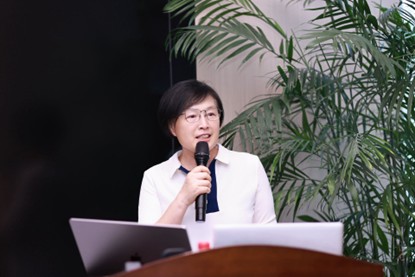
In his speech themed “Chinese Enterprises Going Global and International ESG Rules: Challenges and Countermeasures”, ZHANG Weiguo, Professor of SUFE-DAFI and former Chief Accountant of the China Securities Regulatory Commission (CSRC), introduced his practical experience in safety in production, environmental protection and community relations through case analysis, systematically explained the key compliance issues that Chinese enterprises should pay close attention to when “going global” as well as the strategies for adapting to the international ESG rules; emphasized the importance of value investment and long-termism in ESG, and encouraged enterprises to actively participate in the formulation of and response to the international ESG rules.
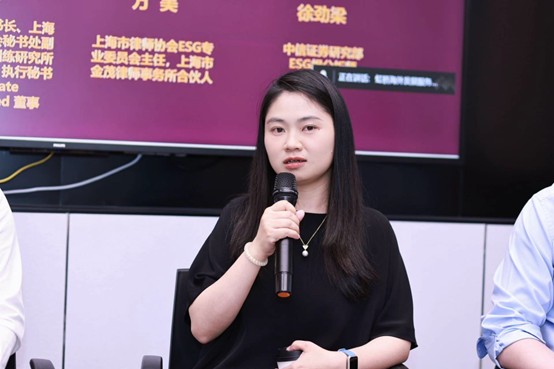
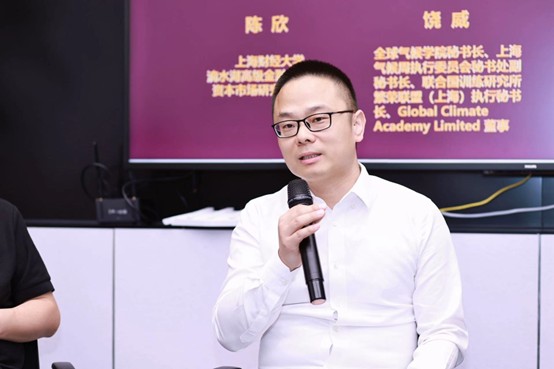
Later, during the roundtable discussion session presided over by Professor CHEN Xin, Director of the Capital Market Research Center of SUFE-DAFI, guests in attendance included RAO Wei, Secretary General of the Global Climate Academy and Deputy Secretary General of the Secretariat of the of Executive Committee of the Shanghai Climate Week, WAN Mei, Director of the ESG Professional Committee of the Shanghai Lawyers Association and Partner of Jin Mao Law Firm, and XU Jinliang, ESG Analyst at the Research Department of CITIC Securities.
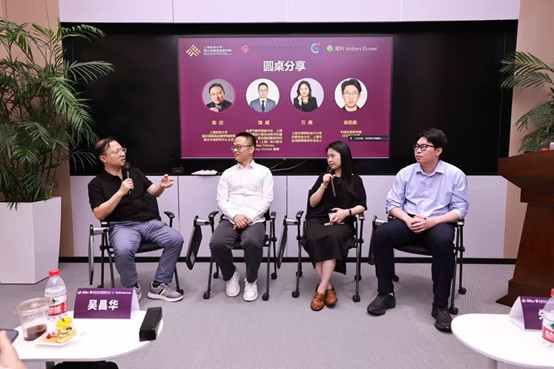
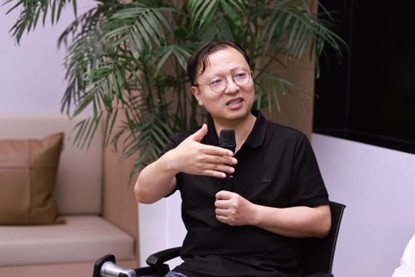
The four guests conducted multi-dimensional discussions on topics such as ESG compliance, impact of ESG performance on enterprises’ valuation and financing capabilities, supply chain-related due diligence, the localization practice of international ESG disclosure standards, innovation of green financial products, and Chinese enterprises’ participation in global sustainable development initiatives; and combining industry practice cases in cross-border investment, labor rules, and green finance, they provided enterprises with comprehensive references from strategy to execution.
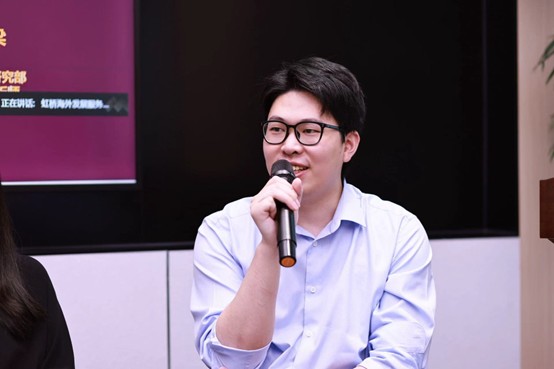
On the Seminar, ZHU Yinghua, Director of the Investment Promotion and Public Service Center of the Management Committee of Hongqiao International CBD, introduced Hongqiao International CBD to the attendants, and he stated that as an important part of the national strategies, the Hongqiao International Open Hub aimed to support the competitive production capacity, high-quality equipment, and technical standards to go global by taking Hongqiao International CBD as the core and connecting the industrial and service resources in the Yangtze River Delta region. As an important measure for Hongqiao International CBD to build a “Pioneer Zone for Supporting Enterprises Going Global”, the Seminar gathered international rule-makers, professional institutions, and enterprise representatives, aiming to jointly build an ecosystem integrating climate, ESG and supply chain, thus supporting enterprises in the Yangtze River Delta region to enter the global market more efficiently and in compliance with international compliance rules.
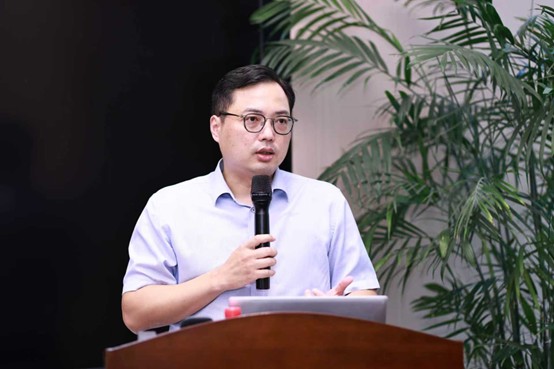
SUFE-DAFI is committed to building a bridge between financial academic research and industrial practice based on the needs of the national strategies. Through the Capital Market Research Center, the ESG Finance Research Center, and other professional platforms, SUFE-DAFI keeps facilitating academic exploration and policy consultation and meets enterprises’ practical demand during their compliance transformation and internationalization. In the future, SUFE-DAFI will continue to give play to its talent advantages and functions as a think tank, so as to help enterprises enhance their global competitiveness and facilitate the integration of Chinese solutions into the global sustainable development process.