

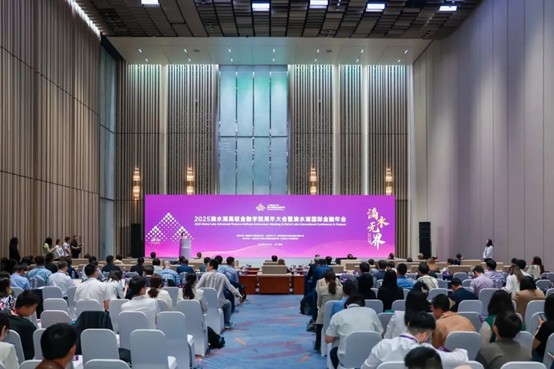
On May 24, the 2025 Dishui Lake Advanced Finance Institute Anniversary Meeting & Dishui Lake International Conference in Finance (the “Conference”) was successfully held in the Lingang New Area, Shanghai.
Co-hosted by Dishui Lake Advanced Finance Institute, Shanghai University of Finance and Economics (“SUFE-DAFI” or the “Institute”) and the School of Finance, SUFE, the Conference aimed to continuously promote talent cultivation in emerging finance and academic research innovation, serving national development strategies and the construction of regional functional zones. Over 300 guests and scholars from universities, research institutions, and financial institutions attended the Conference.
The attendees to the Conference included government and institutional leaders as follows: YANG Zhengwei, Member of the Party Working Committee and Executive Deputy Director of Lingang New Area Administrative Committee, DING Zhijie, Director of the Institute of Finance, People's Bank of China, TU Hong, Business Director, Secretary of the Party Committee and President of Shanghai Branch, Bank of Communications, XU Bin, Chief Expert of Bank of Communications, Secretary of the Party Committee and Chairman of the Board of Directors of Bank of Communications Financial Leasing Co., Ltd., YANG Huahui, Chairman of the Board of Directors of Industrial Securities, CUI Qingjun, Chairman of the Board of Directors of Bank of Suzhou, LI Haichao, Vice President of Bailian Group and Chairman of the Board of Directors of Shanghai Securities, XIE Hong, Executive Director of Shanghai Jinde Asset Management Co., Ltd., XIONG Leiming, President of Guolian Minsheng Securities Co., Ltd., and LU Ting, Managing Director and Chief China Economist of Nomura Securities.
Renowned professors from domestic and international business schools as follows: WANG Neng, Chair Professor at Cheung Kong Graduate School of Business, Lukas Schmid, Professor of Finance and Business Economics at University of Southern California Marshall School of Business, and HE Zhiguo, Chair Professor of Finance at Stanford Graduate School of Business.
Guests from Lingang partner universities as follows: LU Xionggang, Secretary of the Party Committee of Shanghai Dianji University, YAN Dalong,Deputy Secretary of the Party Committee and Secretary of the Discipline Inspection Commission of Shanghai Maritime University, LI Xiaofei, Vice President of Shanghai Ocean University, XIA Yu, Deputy Secretary of the Party Committee of Shanghai Jianqiao University, and ZHANG Chuan, Chief Accountant of Shanghai University of Electric Power.
SUFE’s leadership as follows: XU Tao, Secretary of the Party Committee of SUFE, LIU Yuanchun, President and Deputy Secretary of the Party Committee of SUFE, and LIU Liya, Vice President of SUFE.
Representatives from strategic cooperation entities and others: Leaders and guests from strategic cooperation entities including China Life Insurance Company Limited Shanghai Branch, Shanghai Branch of Agricultural Bank of China, Shanghai International Trust, Youshan Fund, Dahua Certified Public Accountants, China Universal Asset Management, as well as SUFE’s faculty and students, students from Lingang universities, and young teachers from across the country also attended the Conference.
01.
Gathering in Lingang to Discuss Financial Missions
The Conference kicked off with a warm-up video at 9:00 a.m. The opening ceremony was hosted by Vice President LIU Liya.
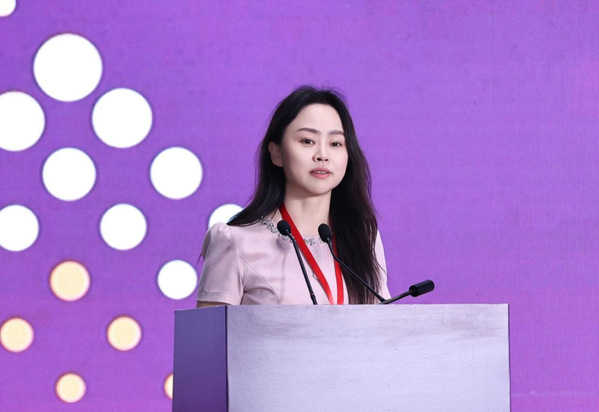
Secretary XU Tao delivered the opening speech first. He stated that over the past two years, SUFE-DAFI had evolved from mechanism establishment to system construction, gradually establishing its strategic position as a platform for emerging finance education and research. Facing the new wave of financial technology, the Institute would adhere to serving national strategies as its orientation and global vision as its guide, explore financial education paths under the background of institutional opening-up, and build a high-end academic platform with functions of ideological co-creation, institutional experimentation, and global connection.
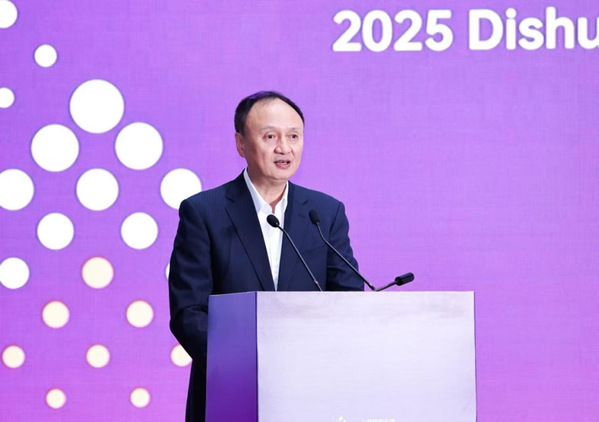
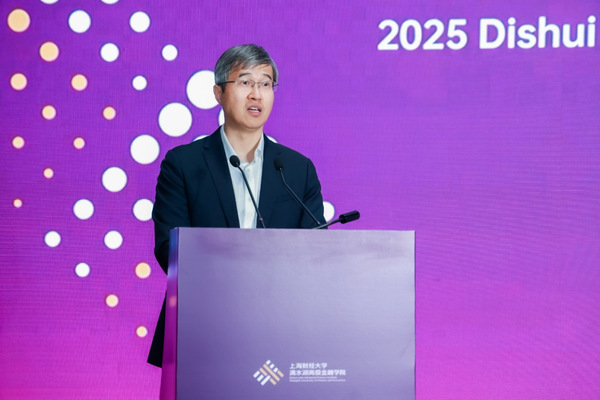
Executive Deputy Director YANG Zhengwei noted in his speech that as a key area of national strategy, Lingang New Area was advancing high-quality financial development in line with the “Five Importances” principle, focusing on cross-border finance, financial technology, equity investment, and other fields to accelerate the construction of the “third pole” of finance. He expressed hope that SUFE-DAFI would further enhance its international influence and core competitiveness, continuously deepen integration with the Lingang industrial ecosystem, and help the new area build a global hub for financial talents and a pilot zone for institutional innovation.
02.
Multi-dimensional Ceremony Linkage: Sustained Convergence of Synergistic Momentum
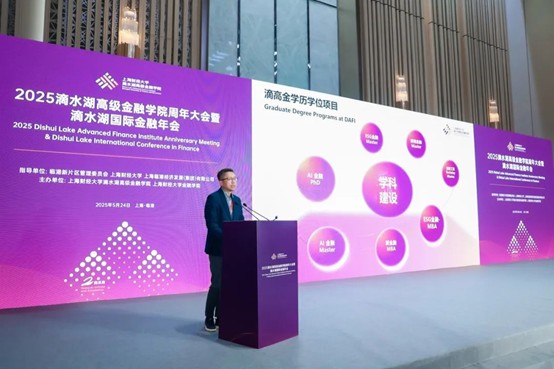
At the Conference site, Professor QIU Jiaping, Vice Dean of SUFE-DAFI, officially launched the “AI Finance Curriculum System” and provided a systematic introduction to its development background and overall planning.
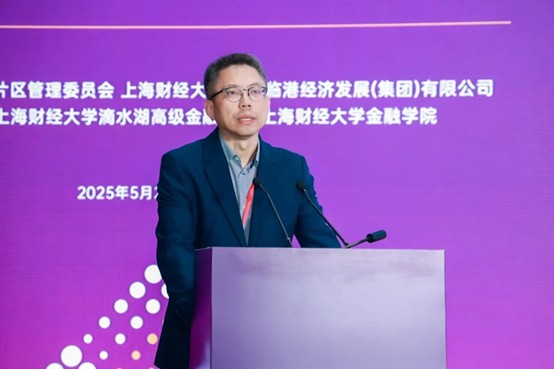
He stated that as a key area in the Institute’s “5+1” strategic layout, the AI Finance Curriculum System was guided by a global perspective and driven by industry practice. It would further strengthen the Institute’s professional advantages and structural leadership in cultivating cutting-edge financial talents. Meanwhile, the Master's and PhD in AI Finance Programs were launched simultaneously at the Conference, marking that SUFE-DAFI’s development of an AI-driven financial education system entered a new phase, and providing an experimental platform for exploring financial education innovation featuring “data empowering intelligence and intelligence empowering research”.
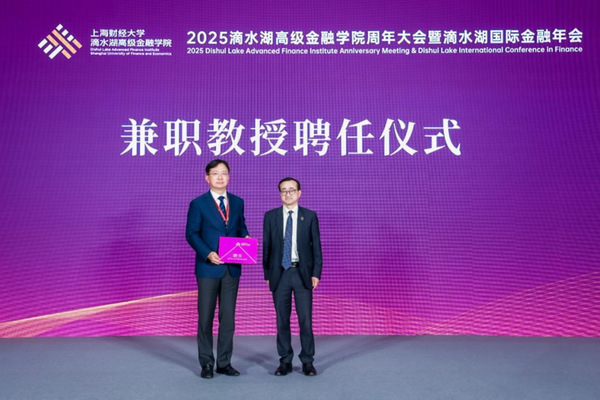
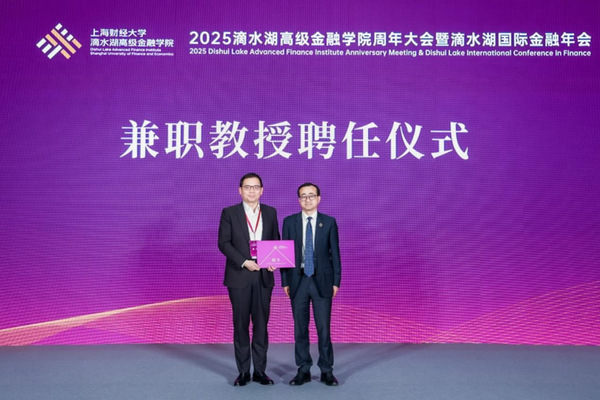
In the subsequent session, the Institute held an appointment ceremony for a new batch of adjunct professors (the “Ceremony Session”), with President LIU Yuanchun presenting appointment letters to the appointees. Distinguished guests including: NING Gaoning, Former Member of the Standing Committee of the 13th National Committee of the Chinese People's Political Consultative Conference (CPPCC), Former General Manager of China Resources Group, MA Weihua, Chairman of the Board of Directors of Allwave Sustainable Digital Technology, Former Executive Director and President of China Merchants Bank Co., Ltd., CUI Qingjun, Chairman of the Board of Directors of Bank of Suzhou, CHEN Rui, Chairman of the Board of Directors of Bilibili, LU Ting, Managing Director and Chief China Economist of the Board of Directors of Nomura Securities were appointed as adjunct professors. They would deeply participate in curriculum co-construction, practical training, and joint talent cultivation, injecting valuable resources into the Institute’s efforts to bridge the gap between theoretical frontiers and industry practices.
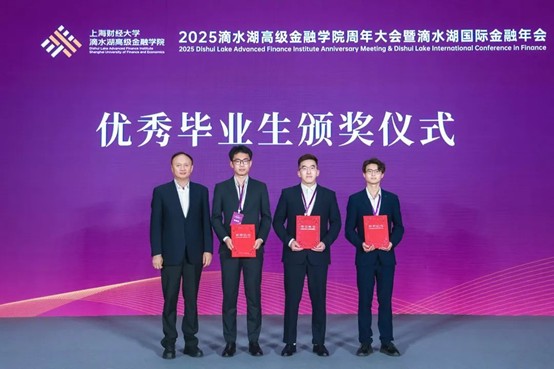
At the same time, the Institute held an “Outstanding Graduate” award ceremony, where Secretary XU Tao presented certificates to outstanding graduate representatives. Six students including NIU Pengxu and JIANG Liyuan were awarded the titles of “Shanghai Outstanding Graduate” and “University-level Outstanding Graduate” respectively. As representatives of the first batch of Master of Finance (MF) graduates, they not only demonstrated the learning spirit of SUFE-DAFI but also set an example of sustainable growth for other students.
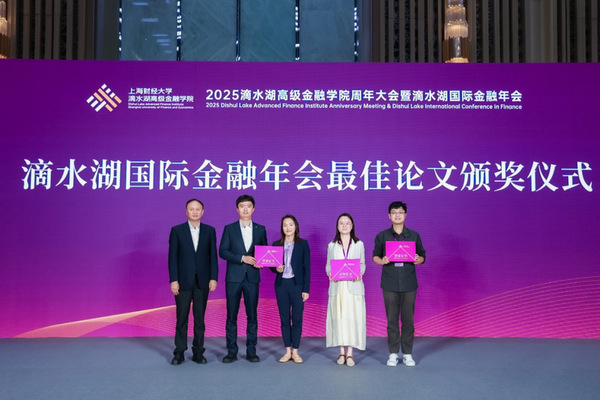
Subsequently, the Conference Organizing Committee selected and presented the “Best Paper Award” to recognize research achievements that demonstrated outstanding innovation and theoretical depth in the international academic field, with Secretary XU Tao presenting awards to the winners. After strict evaluation, three winning papers were selected at the Conference: Market Power and Redeemable Loyalty Token Design by HE Zhiheng from Tsinghua University, Kenneth Rogoff from Harvard University, and YOU Yang from The University of Hong Kong; The Stock-Bond Correlation: A Tale of Two Days in the U.S. Treasury Bond Market by HU Xing from Tsinghua University, JIN Zhao from Central University of Finance and Economics (CUFE), and PAN Jun from Shanghai Jiao Tong University; and Subjective Expectations and Financial Intermediation by Francesco D'Acunto from Georgetown University, GAO Ruoran from Georgetown University, LIU Lu from CUFE, LU Kai from SUFE, WANG Zhengwei from Tsinghua University, and YANG Jun from Nanyang Technological University.
At the end of the Ceremony Session, all participating leaders and guests took a group photo in front of the main forum stage - recording this important milestone in SUFE-DAFI’s two-year development and jointly witnessing the Institute’s firm steps into the next phase.
03.
A Feast of Ideas: Focusing on the Blueprint of Institutional Finance
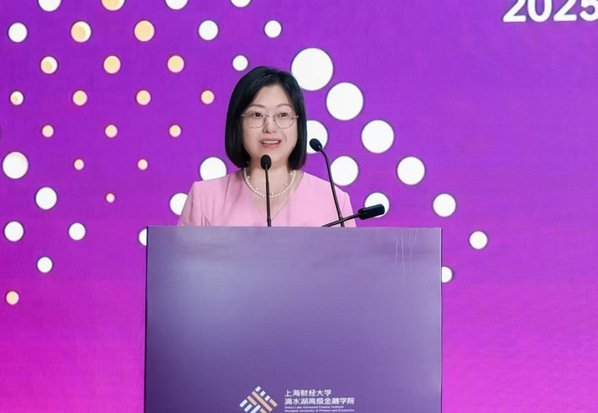
The Keynote Speech Session was hosted by CHEN Xuanjuan, Executive Dean of SUFE-DAFI. Five renowned experts and scholars from home and abroad were invited to deliver keynote speeches.
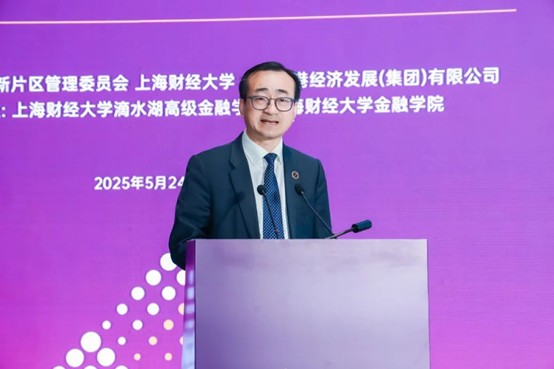
President LIU Yuanchun opened the session with a speech titled The MAGA Doctrine and the Future World Economic System. He conducted an in-depth analysis of the macro-logic behind Trump’s economic strategy, pointing out that the “Make America Great Again (MAGA) Doctrine” reflected the U.S. attempts at comprehensive restructuring in trade, manufacturing, and monetary systems. This system used tariffs to influence fiscal policy and exchange rates, promoted U.S. dollar depreciation through multilateral or unilateral means, exchanged security commitments for trade concessions, and advanced manufacturing reshoring, structural tax cuts, and institutional reforms domestically, striving to build a new global order with “strong manufacturing, weak U.S. dollar, and low interest rates” as its fulcrums. He emphasized that China should closely monitor the evolution of the global monetary system, and while advancing Renminbi (RMB) internationalization, actively participate in building a more stable and equitable new international financial order.
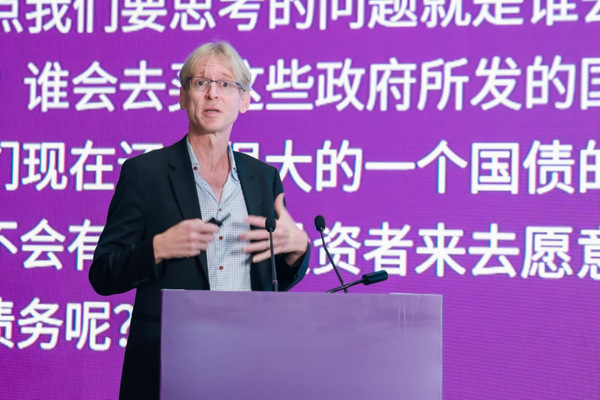
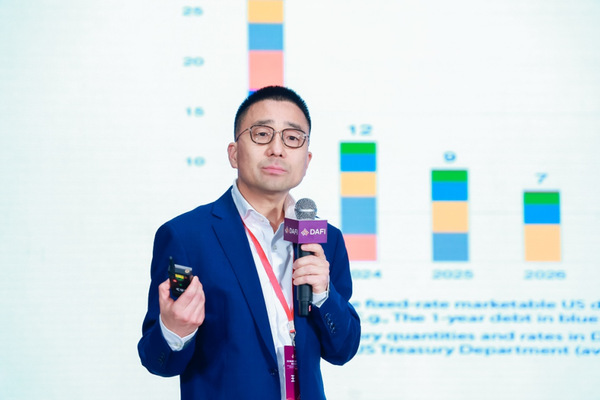
Professor Lukas Schmid delivered a speech titled “Treasury Demand”. He emphasized that against the backdrop of coexisting high inflation and high debt, the transmission mechanism of fiscal policy was facing significant challenges. Through model-based research, he demonstrated the dynamic impact of government debt structure on financial markets, particularly the trade-off between short-term government bonds in risk adjustment and flexibility maintenance. He pointed out that emerging markets such as China should focus on debt sustainability management, optimize the allocation of fiscal tools, and build an intertemporally consistent policy framework to enhance the resilience and effectiveness of macroeconomic regulation.
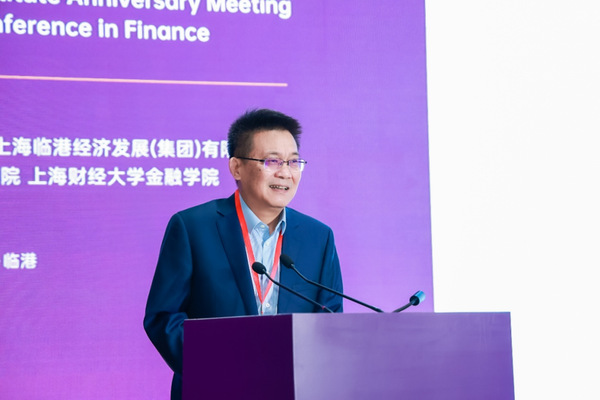
Director DING Zhijie gave a speech titled “Observing the Reform of the International Monetary System from the Perspective of the Triffin Dilemma”. He noted that the tension between the supply of global reserve currencies and balance of payments imbalances constituted the “New Triffin Dilemma”. He proposed that the world was currently undergoing a transition from a “USD-asset anchor” to a “multi-institutional anchor”, and there was an urgent need to build a more inclusive and stable new international monetary system. The advancement of RMB internationalization should focus on enhancing market depth and the foundation of institutional trust, while strengthening cross-cyclical adjustment and risk identification capabilities to boost China’s institutional influence in global monetary governance.
Professor HE Zhiguo took “interconnection mechanisms” as the entry point, introducing his team’s research on “Homemade Foreign Trading” and analyzing the identity penetration challenge under the Northbound Trading mechanism. He pointed out that the Shanghai-Hong Kong Stock Connect initially adopted Hong Kong’s indirect account system, leading some Chinese mainland investors to evade supervision through overseas channels. With the establishment of the Northbound investor identification system, regulatory capabilities had gradually improved. He emphasized that efforts should continue to improve the transaction penetration mechanism and regulatory data sharing, enhance financial market transparency, prevent potential risks such as cross-border arbitrage and insider trading, and build a safer and more orderly environment for capital flows.
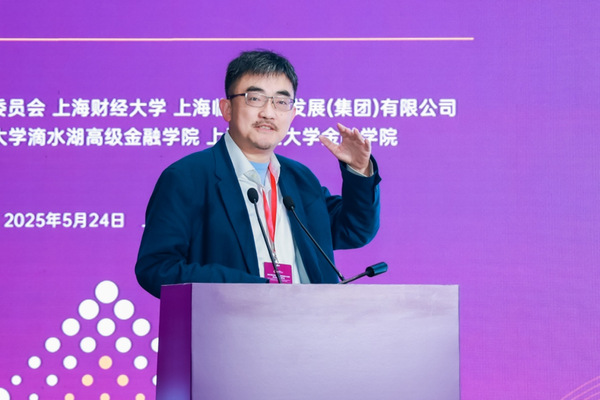
Professor WANG Neng delivered a speech titled “Implementing Optimal Fiscal Policy with Short Term Debt”. Starting from the Ramsey optimal taxation theory, he reconstructed the institutional role of short-term government bonds in the modern fiscal system. Through model deduction, he demonstrated that short-term debt not only had a financing function but also bore a regulatory mechanism for policy efficiency and transparency in the formation of equilibrium. He emphasized that the institutional significance of short-term debt structure should be re-recognized, and on the basis of maintaining fiscal sustainability, the allocation of debt instruments should be optimized to provide theoretical and institutional guarantees for responding to uncertainties.
04.
Multi-dimensional Resonance: Parallel Sessions Expand the Boundaries of Knowledge
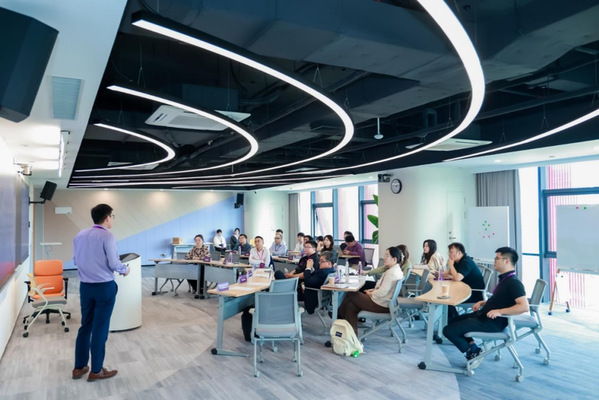
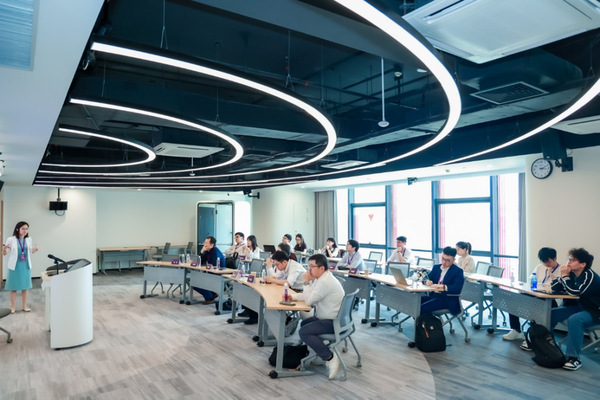
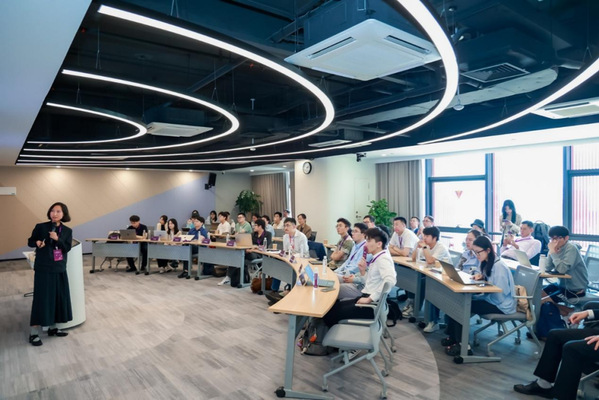
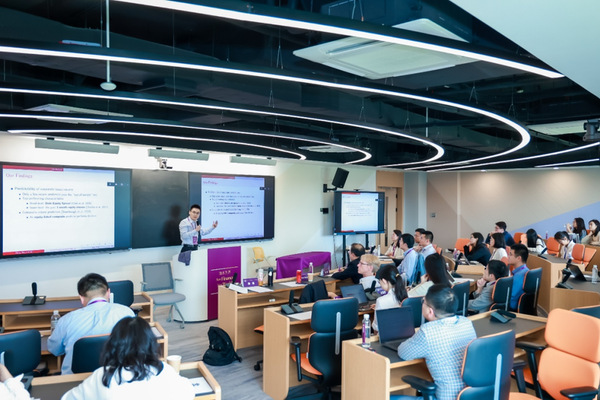
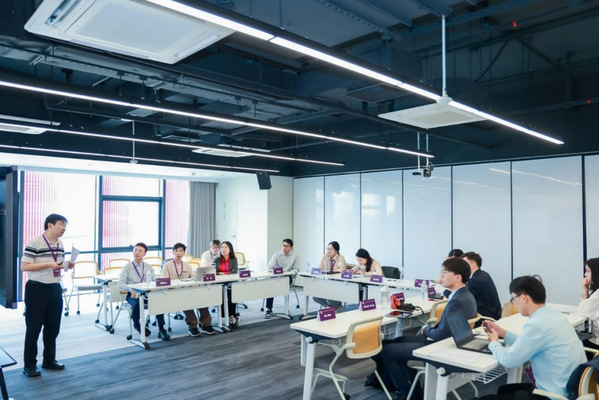
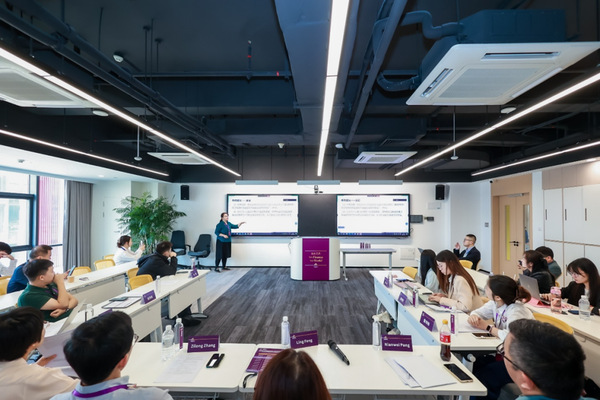
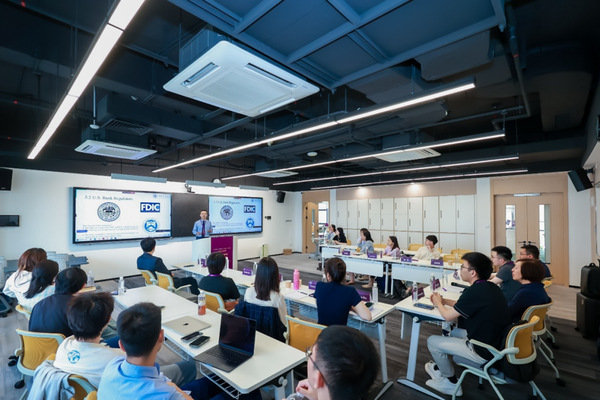
In the afternoon, the Conference continued with ten academic parallel sessions in the teaching building of SUFE-DAFI, covering topics such as asset management, cross-border finance, AI finance, sustainable finance, reinsurance, and corporate investment and financing.
These sessions invited scholars from key universities including Peking University, Tsinghua University, Fudan University, Renmin University of China, and Nankai University, as well as industry representatives from Bank of China, Guotai Junan Securities, Ant Group, and Deloitte China, to discuss focus topics such as “technological transformation and institutional innovation”, “cross-border capital and financial opening-up”, and “standardized development of green finance”.
Since its inauguration in 2023, SUFE-DAFI has always adhered to the school-running orientation of “rooted in Lingang, serving the whole country, and looking to the world”. Focusing on the strategic direction of “Five Key Areas in Finance + Cross-border Finance”, it has continuously advanced core work such as mechanism construction, disciplinary expansion, international cooperation, and talent recruitment and cultivation, gradually building an emerging finance education platform with an international vision and distinctive features.
Standing at the new starting point of its second anniversary, SUFE-DAFI will continue to rely on the solid foundation of tripartite co-construction, closely focus on the main line of emerging finance, deepen system and mechanism reforms, expand global resource connections, and strengthen the coordinated linkage of talent cultivation, academic research, and policy support. It will actively create practical scenarios integrating “finance + technology + industry”, continuously enhance the Institute’s comprehensive capabilities in serving national strategies and supporting regional development, and strive to build a world-class financial institute leading the development of emerging finance.