


Energy issues and carbon reduction actions are both the current focus of the world. The conflict between Russia and Ukraine has accelerated the reshaping of the global energy supply pattern, and many countries have begun to increase their investment in nuclear energy. Beyond renewable energy, what role does nuclear energy play in energy and environmental issues? Why is China able to become a global leader in nuclear energy development in a short time? What enlightenment does China's path of nuclear energy development bring to the energy security of other countries?
Professor Simon Taylor, from Cambridge Judge Business School, was invited to give a keynote speech titled Why China becomes a Leader in the Field of Civil Nuclear Energy, which discussed the above issues from the perspective of energy policy.
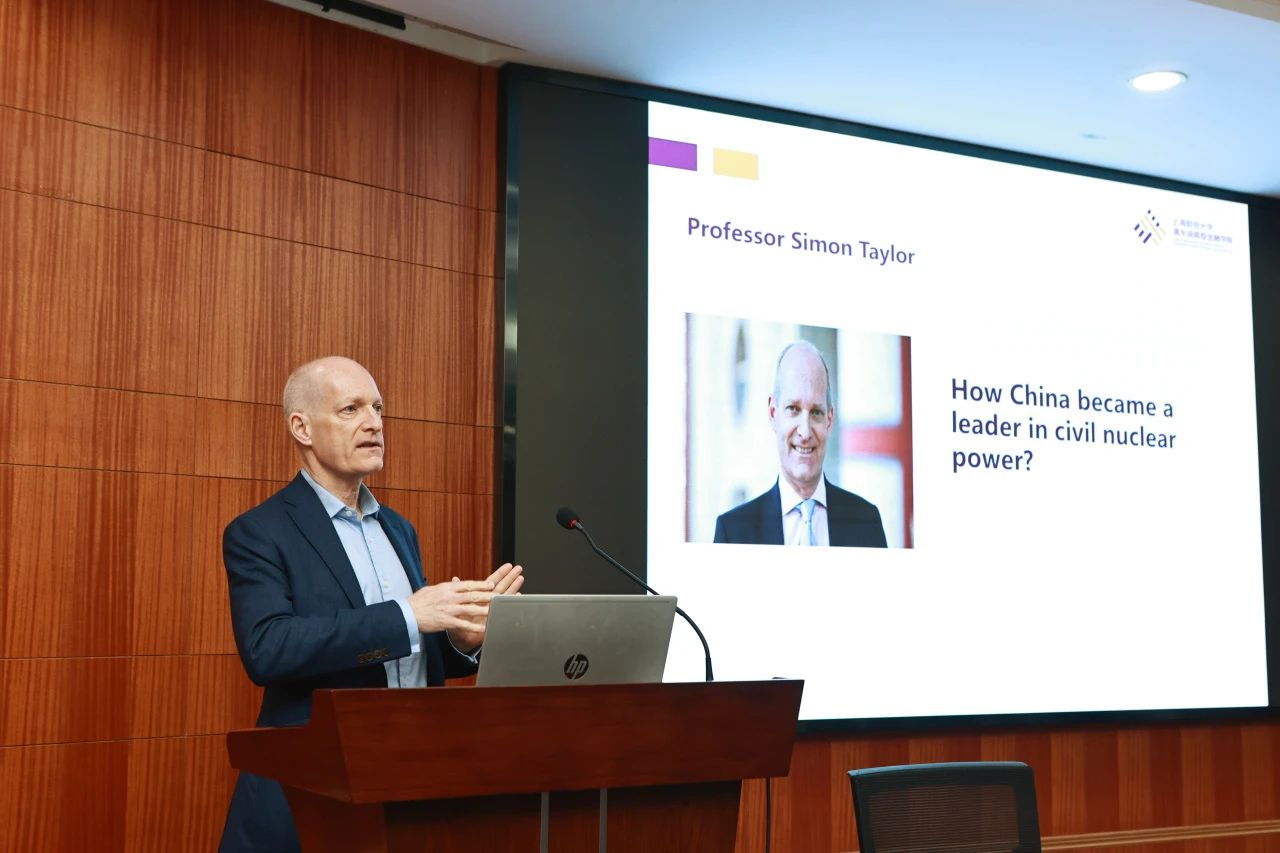
Simon Taylor: Professor of Finance Management Practice at Judge Business School, University of Cambridge, Fellow and Chairman of the Investment Committee at St Catherine College, University of Cambridge
On the afternoon of March 12, the Wudong Road campus of Shanghai University of Finance and Economics was sunny and budding. Simon Taylor came to the historic Tongde Building. When he heard that it was China's Arbor Day, the energy policy expert immediately started a conversation and talked about his research in the field of nuclear energy from green and low carbon.
On the evening of the same day, Simon Taylor delivered a speech on civil nuclear energy to the teachers and students, titled Why China becomes a Leader in the Field of Civil Nuclear Energy.
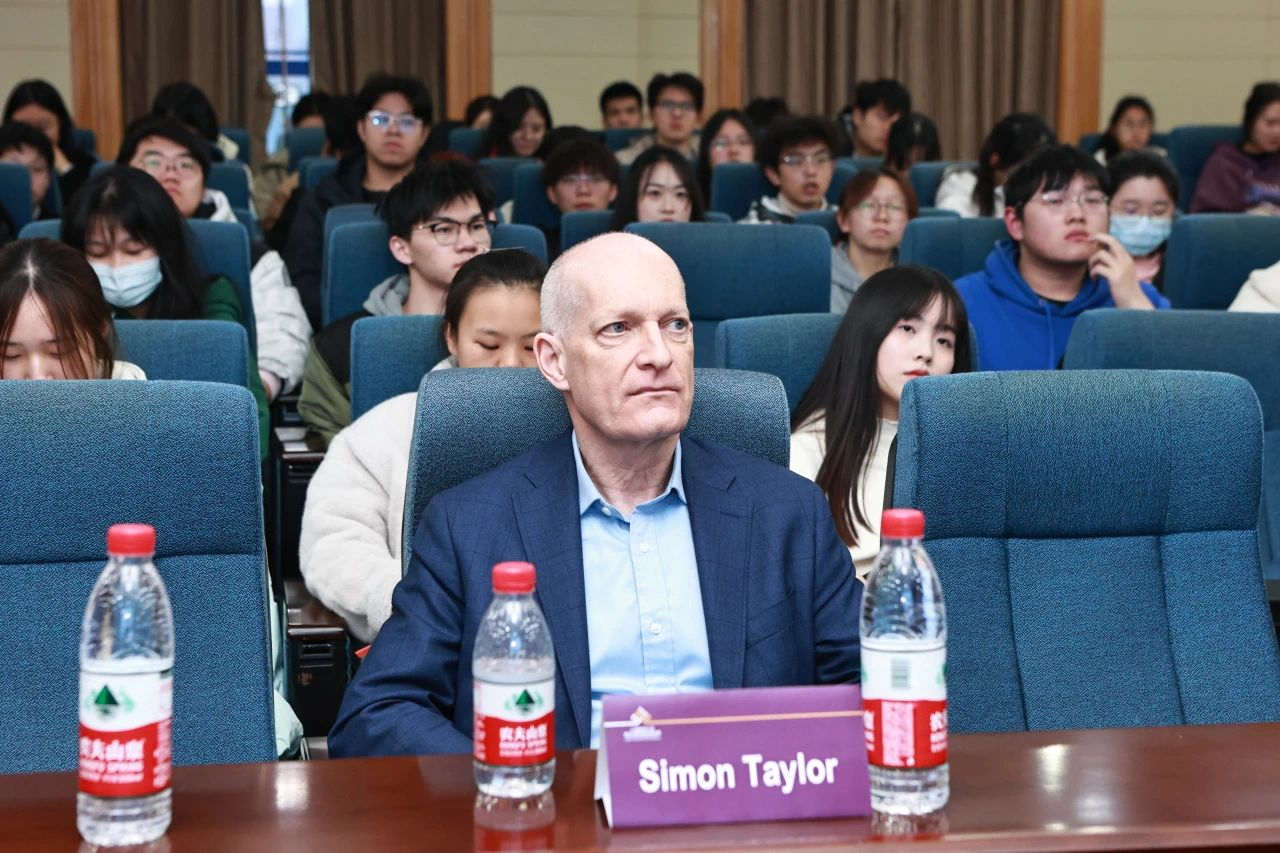
Compared with electrical vehicle, solar panel, high-speed railway, mobile payment, and other fields, China's nuclear energy development world leading little-known fact, professor Taylor long attention to China's civil nuclear construction, He compares China's catch-up with Western countries from scratch in the field of nuclear energy to a “3 acts drama”.Every transition is dramatic.
Simon Taylor Believe that China's civil nuclear energy industry started in the late 1970s. With the implementation of the reform and opening up and the economic rise of Guangdong and other coastal provinces, at that time, the coal-dominated energy structure and backward railway transportation system could not meet the energy needs of industrial development. At first, local governments did not support it, pushing forward the nuclear energy industry from the top down under a strong central government.
In the 1980s, China cooperated with France and other Western countries to introduce key nuclear energy technologies and began the process of catching up. Professor Taylor said that since 2010, the proportion of nuclear energy in China's energy mix has been steadily increasing over the past decade, and although the proportion is limited, it is accelerating. At the same time, he explained why China's nuclear power plants are mainly concentrated in coastal areas.
“China is very pragmatic in the technological path. They actively adopt foreign technology and realize the digestion, absorption and localization of the technology.”
After completed the technology digestion, engineering economic accumulation and the domestic market inspection, China's civil nuclear energy industry began to export, this is the 3 acts drama in the third act: because China's nuclear reactor prices cheaper, stable product performance, and advantages in infrastructure, China's nuclear energy industry began to occupy the leading position in the global competition.
Professor Taylor believes that the development path of China's civil nuclear energy industry has brought a lot of inspiration to the British nuclear energy industry; after the conflict between Russia and Ukraine, many European countries encountered energy crisis, in addition to solar energy, wind energy, nuclear energy is also an option to ensure energy security, China's vision and pragmatic attitude in nuclear energy development is worth learning.
The lecture was hosted by Professor Qiu Jiaping of Dishui Lake Advanced Finance Institute, Shanghai University of Finance and Economics (SUFE-DAFI), whcic attracted hundreds of teachers and students of Shangcai and the audience outside the school. Subsequently, Professor Taylor had a heated discussion with the audience on whether nuclear energy is clean energy, the commercial potential of nuclear energy and the competition between China's nuclear energy technology and big powers.
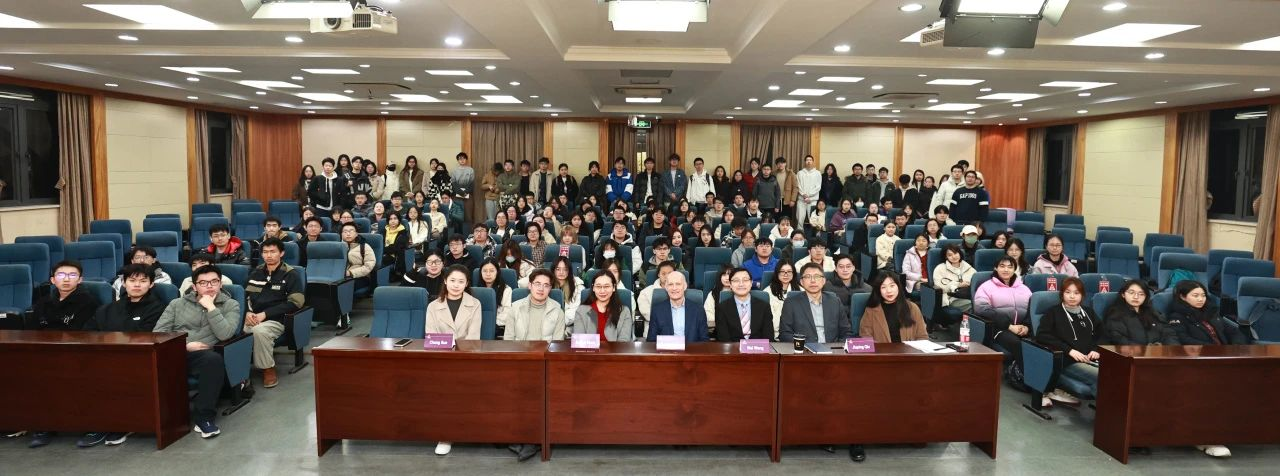
Before the speech, the executive director of Dishui Lake Advanced Finance Institute, Shanghai University of Finance and Economics (SUFE-DAFI), introduced the faculty, curriculum and educational characteristics of DAFI to Simon Taylor. Professor Taylor is the director of the Global EMBA program at the Cambridge Judge Business School. He talked about the understanding of the market demand, curriculum form and content innovation of global MBA courses from the aspects of enrollment and curriculum development of the School.
He first talked about the challenges of MBA courses in today's market environment. In highly mature markets such as the United States, the enrollment scale of MBA courses has shrunk, but it is still relatively stable in the British and European markets, which is similar to the Chinese market. The market demand is changing profoundly, and segments are emerging, such as the increased demand for courses combined with new technologies such as AI. He admits that even with a top school like Cambridge, it faces many difficult situations and needs to constantly embrace change and identify its own differentiated competitiveness.
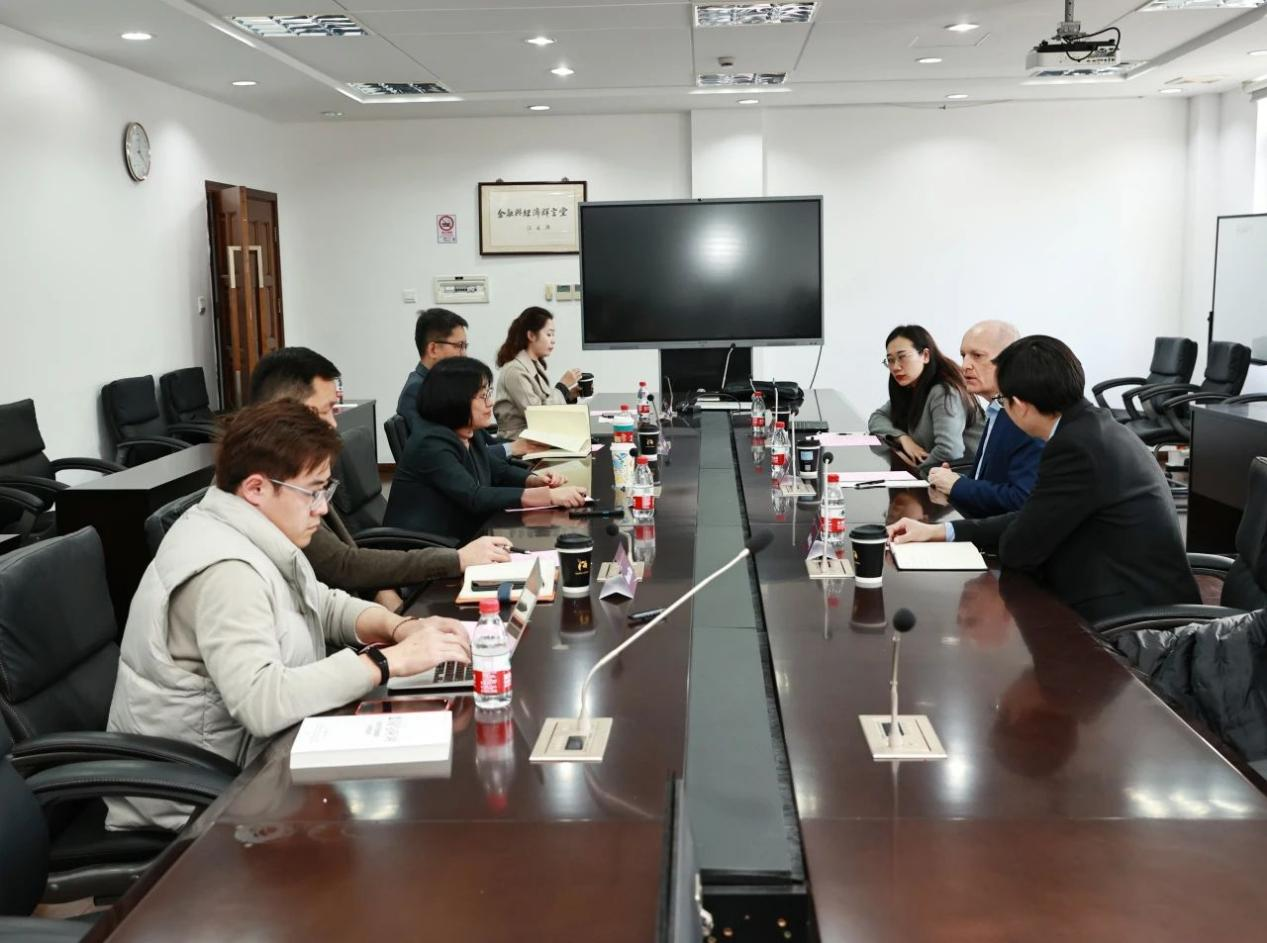
Officially established in 1990, the Judge Business School is one of the youngest schools in Cambridge.The current advantages of business schools include alternative finance such as virtual currency, digital regulation and long-term investment, which are still in the growth stage, and are exploring the full use of enterprises, non-governmental organizations and leveraging global resources such as Asia-Pacific and South America to carry out curriculum development.
Simon Taylor Also mentioned that the epidemic changed the form of MBA teaching, many schools continue to retain the online teaching part, some schools even moved 100% of the course online; there are many reasons, such as online teaching broke the limit of space-time, more flexibility, reduce costs, meet the needs of some foreign students; and avoid long-distance commuting, in line with the concept of low carbon travel.
Taking the MBA Global Project as an example, he talked about the advantages and disadvantages of online teaching and face-to-face teaching. Online teaching has been accepted by the market, but how much proportion should it be in the whole curriculum system? This issue will require further investigation. He also said that with the fierce competition in business schools, more attention to the comprehensive experience needs to be paid to the course experience, which can enrich the course while allowing students to have a relaxed and pleasant learning experience.
He believes that Shanghai has great potential for cooperation, if developing cooperation relations with other countries, China is undoubtedly the first consideration, and within China, Shanghai is a very attractive station, as an international metropolis, Shanghai has rich cultural connotation, good security and innovation of industry form, can meet the needs of global MBA project students diversified, looking forward to further cooperation with DAFI in the future.